
Providing your cat with the right daily diet is essential for their long-term health and well-being. Cats are obligate carnivores, meaning they need specific nutrients found primarily in animal products to thrive. As a responsible pet owner, understanding what your cat should eat daily can help them live a longer, healthier life.
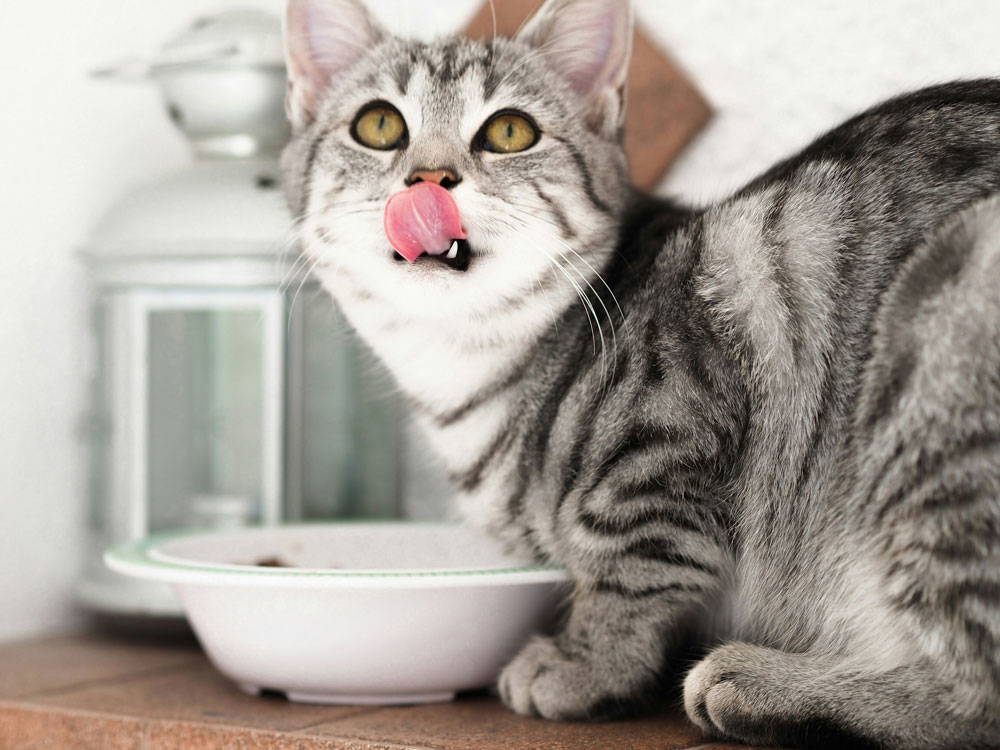
The Foundation of a Cat’s Daily Diet
At the core of every cat’s diet is protein. Protein is the most critical nutrient for cats as it supports muscle development, tissue repair, and immune system function. Cats must derive this protein from animal-based sources like meat, poultry, and fish, as their bodies are unable to synthesise certain amino acids, such as taurine, found in sufficient amounts only in animal tissues.
What Should Be in Your Cat’s Daily Diet:
- High-Quality Protein: Ensure your cat’s food contains high-quality, animal-based protein, such as chicken, turkey, lamb, or fish. Look for commercial foods where real meat is listed as the first ingredient.
- Fats: Cats need healthy fats, particularly Omega-3 and Omega-6 fatty acids, to support a healthy coat and skin, as well as brain function. These fats are typically found in fish oils and animal fats.
- Vitamins & Minerals: Cats require certain vitamins (like Vitamin A, B vitamins, and Vitamin E) and minerals (like calcium and phosphorus) to support their immune system, bone health, and metabolism. Many high-quality commercial cat foods provide these nutrients in the right balance.
- Moisture: Hydration is critical for cats, particularly as many cats tend to drink less water than they need. Wet food can help supplement their water intake, promoting healthy kidney function and reducing the risk of urinary tract issues.
- Carbohydrates: While carbohydrates are not an essential nutrient for cats, they can provide a source of energy and fibre. Always choose cat foods with low to moderate carb content from natural sources, like vegetables, rather than grains.
Should Cats Eat Wet or Dry Food?
Both wet and dry foods can play a role in your cat’s daily diet, but each has its benefits:
- Wet Food: Higher in moisture content, wet food can help ensure your cat stays hydrated. It’s especially important for older cats or those prone to urinary issues. Wet food is also often more palatable, encouraging picky eaters to finish their meals.
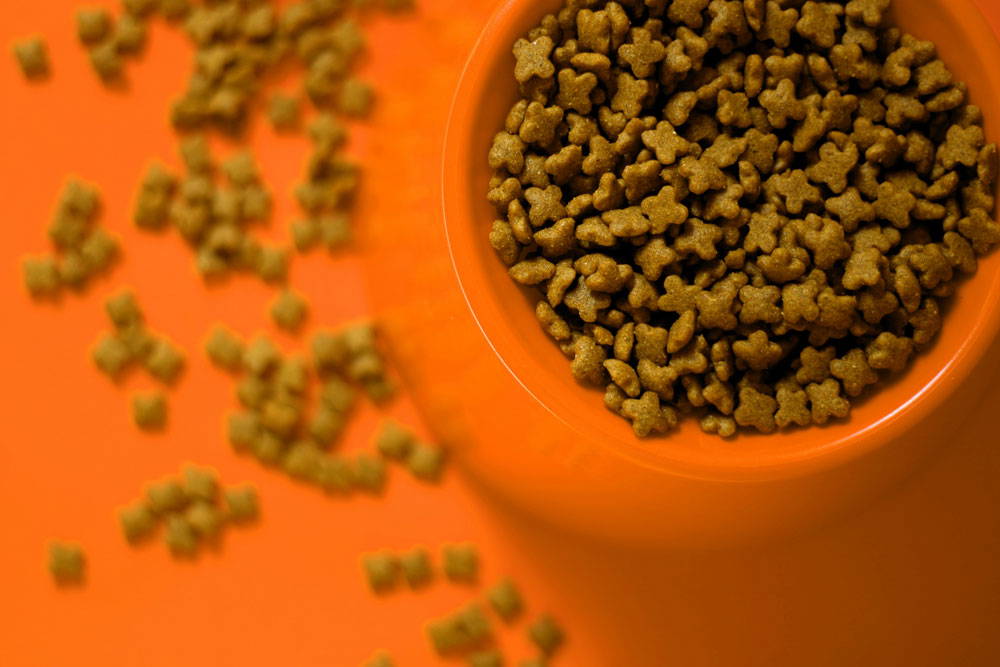
- Dry Food: While dry food lacks the moisture of wet food, it can help maintain dental health by reducing plaque and tartar build-up. It’s also convenient and can be left out for free feeding. However, always ensure fresh water is available alongside dry food.
At Ocean Vets, we recommend a combination of both wet and dry food to balance hydration, nutrition, and convenience. In our opinion Virbac HPM is the best food that cats can have. These are mostly dry (although wet diets are available) , but the dry diets are designed to increase water intake to ensure adequate hydration. Nutritionally, the dry diet is just the same as the wet diet, but the added dental benefit is gained. Therefore we recommend feeding dry diet & just using the wet food if your cat wants a treat .
How Much Should Cats Eat?
The amount of food your cat should eat daily depends on factors such as their age, size, and activity level. Kittens require more frequent feeding of high-calorie meals to support their rapid growth, while adult cats need carefully measured portions to maintain a healthy weight. Always check food packaging for feeding guidelines or consult with your vet for a personalised feeding plan.
What to Avoid in Your Cat’s Diet
Certain foods should never be part of your cat’s diet. Avoid the following:
- Human Foods: While it might be tempting to share your food with your pet, certain human foods like onions, garlic, chocolate, and grapes are toxic to cats.
- Low-Quality Fillers: Some lower-quality commercial foods contain unnecessary fillers like corn, soy, and wheat that don’t provide much nutritional value and can contribute to weight gain.
Why Consult Your Vet About Your Cat’s Diet?
As every cat has unique needs, it’s crucial to consult with your vet about the best diet for your pet. Whether your cat is a playful kitten or a senior with specific health concerns, our veterinary practice can help you create a nutrition plan tailored to their individual requirements.
Top Tips for a Balanced Daily Diet for Cats:
- Prioritise animal-based proteins like chicken, lamb, or fish.
- Include fresh water to support hydration.
- Ensure their food contains essential vitamins, minerals, and healthy fats.
- Avoid feeding your cat table scraps or foods with high levels of grains or fillers.
Our Ocean Paws Plan includes 15% off our Virbac HPM lifestage diets.
Need Personalised Advice For Your Cat’s Diet?
At Ocean Vets, we’re committed to supporting your cat’s health with expert nutritional advice. Reach out to us today for your free nurse nutritional appointment to learn more about how we can help you provide the best daily diet for your feline friend.
Alternatively, pick up the phone and we can give you detailed advice about the Virbac HPM ranges. We will discuss a detailed costing per day which can be emailed to you for your consideration.